Briefing · September 17, 2026
AI Is Silencing the Engineers Who Know Its Risks — That's Your Next Liability
AI ethics experts inside tech firms are being systematically muted — and HR leaders who ignore that signal will own the consequences.
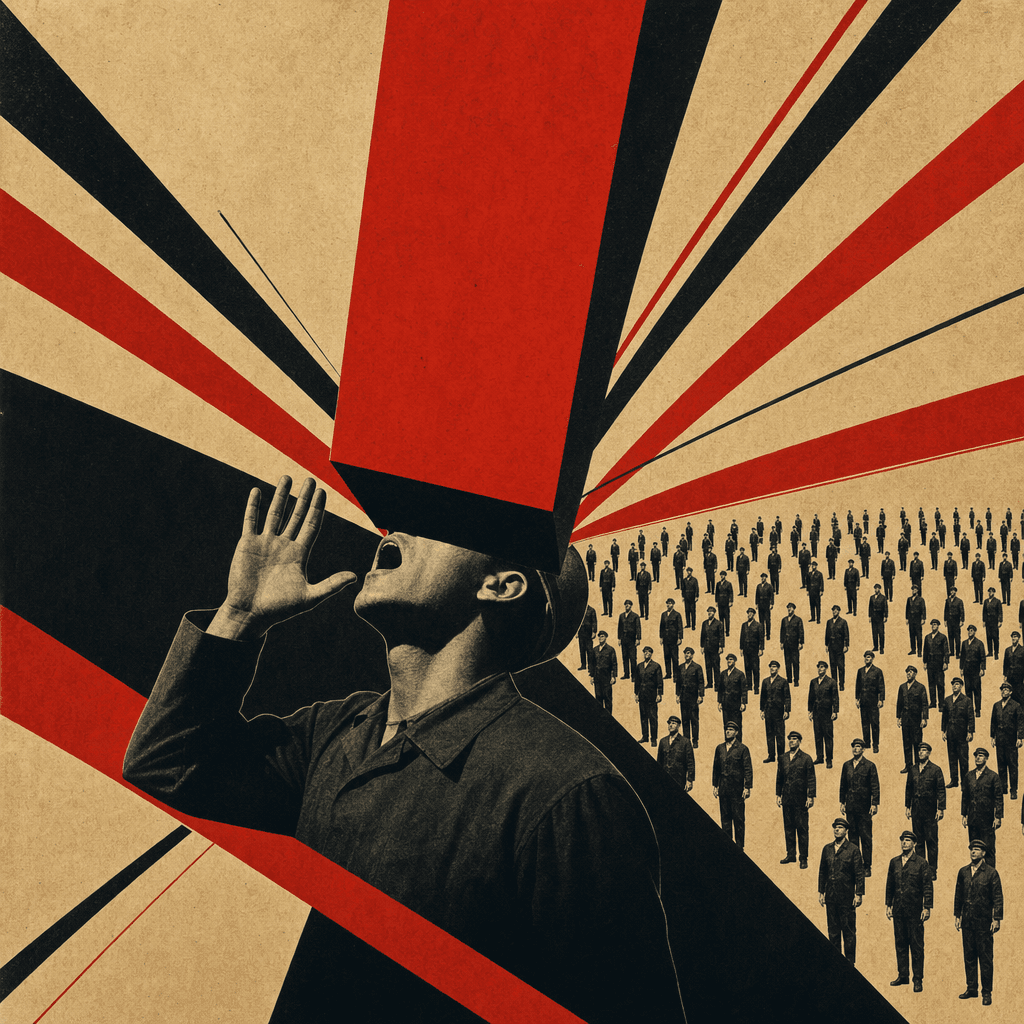
The dominant narrative around artificial intelligence (AI) and workplace risk is still framed as a compliance question: did you check the bias audits, did you tick the transparency boxes? That framing is dangerously narrow. The more consequential risk is organizational, not regulatory — and it is playing out right now inside the teams that build the tools your company is buying.
A 2025 study on AI engineering culture found that practitioners who understand AI's ethical risks most clearly are the ones least able to speak about them at work, because workplace culture systematically discourages dissent. HR Dive (2025-07-23) reported that research on this silence was presented the same week a former Anthropic engineer warned publicly that his peers "earnestly believe that it could kill us all by the end of the decade." This is not fringe anxiety — it is a described, studied pattern in which the people with the most relevant technical knowledge are the least empowered to act on it.
Why does AI engineering culture silence ethical concerns?
The mechanism is familiar to anyone who has studied psychological safety: engineers inside AI firms face the same status hierarchies and career incentives that mute dissent in any high-growth organization. What is different here is the stakes. When a payroll team suppresses a compliance concern, the exposure is bounded. When engineers suppress concerns about systems being deployed at scale across hiring, performance management, and workforce planning, the exposure propagates outward — into every organization that purchases and deploys those systems. The silence is not contained at the source; it is exported as a product.
For senior human resources (HR) leaders, this creates a due-diligence gap that no vendor contract currently closes. You are buying outputs from organizations whose internal cultures may be actively suppressing the information you would need to assess the risk of those outputs. The Society for Human Resource Management (SHRM) chief human resources officer (CHRO) Jim Link has already flagged that HR practitioners are "increasingly responsible for vetting such tools before they are deployed in a workplace or recruitment setting," according to HR Dive (2025-07-22). Vetting a tool whose internal risk signals are suppressed is not vetting — it is theater.
What should HR leaders actually ask AI vendors?
The right question is not "have you conducted an ethics review?" It is "what happens to the engineer who flags a problem with this product the week before launch?" If the vendor cannot answer that specifically, the culture has already answered for them. A plain-language explanation of the underlying mechanism matters here: AI systems learn patterns from historical data and then apply those patterns to new decisions. When the humans who designed those systems flag that the patterns are producing harmful outputs, suppressing that flag does not change the pattern — it just removes the last human check before the pattern reaches your workforce.
The cognitive dimension compounds this. HR Dive (2025-07-22) reports that employees across multiple surveys say AI tool use has worsened their critical thinking skills, affected their judgment, and made them feel less intelligent. If the people operating your AI-assisted HR processes are simultaneously losing the cognitive sharpness needed to recognize when those processes are producing bad outputs, you have a compounding failure mode — not a productivity gain.
And the productivity promise itself is already buckling. HR Dive (2025-07-21) reported that AI has not significantly improved the speed of hiring, with 25% of employers in Q4 2024 reporting a slowdown in time-to-hire compared with a year prior. The efficiency case for AI in HR was always the easier argument to make in a board meeting. It is also, apparently, the harder one to demonstrate in practice.
The harder conversation is the one most boards are not having: you have deployed AI tools built by teams whose dissent cultures you have never assessed, into HR processes that require sound human judgment to catch errors, operated by employees who report that those tools are degrading the very judgment required. That is not a technology risk. That is a governance risk.
The decision in front of you is not whether to use AI in HR. It is whether your organization has the infrastructure to remain the last line of accountability when the vendor's internal checks have already failed silently upstream.
Created with AI assistance. Editorial oversight: Juergen Ritzek. See our AI disclosure.